
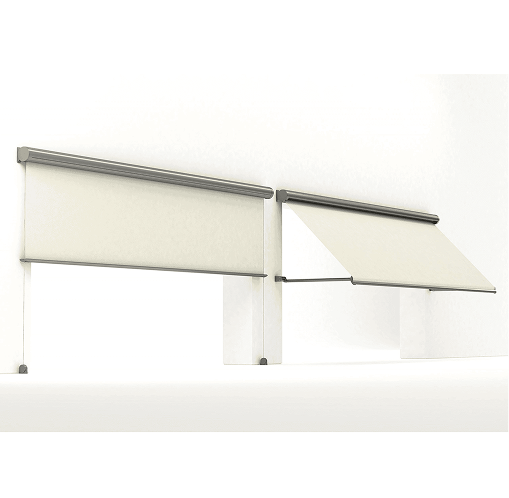
Outdoor Fabric Blind Cleaning Guide
How Often Should You Clean Outdoor Blinds?
We recommend cleaning your outdoor fabric blinds every 3 to 6 months, depending on your location and conditions.
Blinds may need more regular cleaning if they are exposed to:
- Coastal salt air
- Heavy dust
- Tree sap or bird droppings
- High humidity
- Pool chemicals
- Mould-prone areas
- Heavy rain or storms
What You Will Need
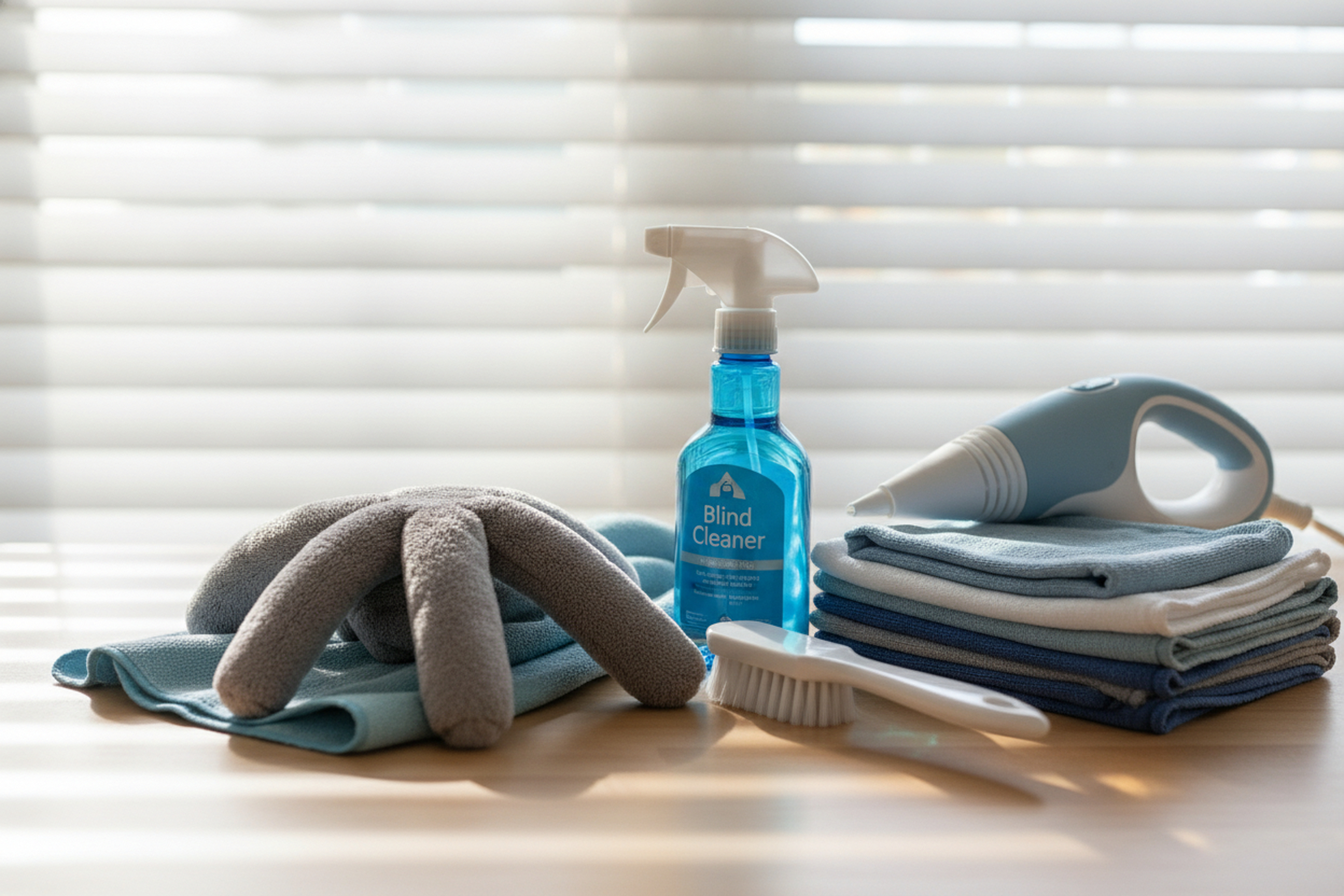
Use only gentle cleaning products and soft equipment.
You will need:
- A soft broom, soft cloth or sponge
- Mild dishwashing liquid or mild soapy water
- A bucket of clean water
- Garden hose
- Soft towel or microfibre cloth
What Not to Use
Do not use harsh chemicals or abrasive cleaning products.
You will need:
- Bleach
- Strong detergents
- Solvents
- Pressure washers
- Abrasive pads or stiff brushes
- Window cleaner
- Mould removers unless approved for blind fabric
- Petrol, turps or other chemical cleaners
Using harsh products may damage the fabric, stitching, coating, hardware or powder coating and may affect warranty.
Step-by-Step Cleaning Instructions
1. Lower the Blind Fully
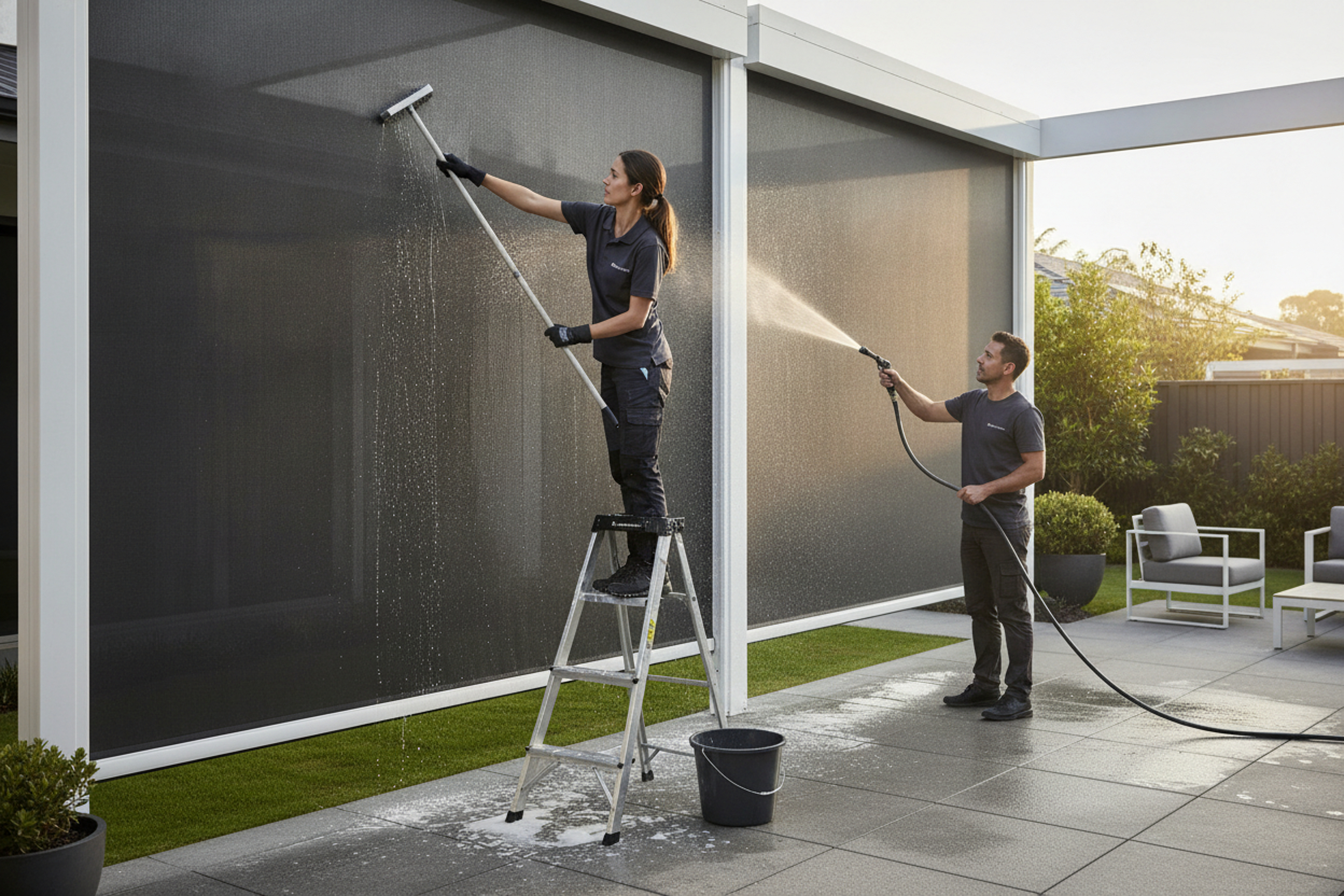
Lower the blind into the down position so the fabric is fully exposed and easy to clean. Make sure the blind is secured and not moving around in the wind while cleaning.
2. Remove Loose Dirt
Use a soft broom, soft brush or dry cloth to gently remove dust, cobwebs, leaves and loose dirt from the fabric, tracks and bottom bar. Do not scrub aggressively.
3. Wash with Mild Soapy Water
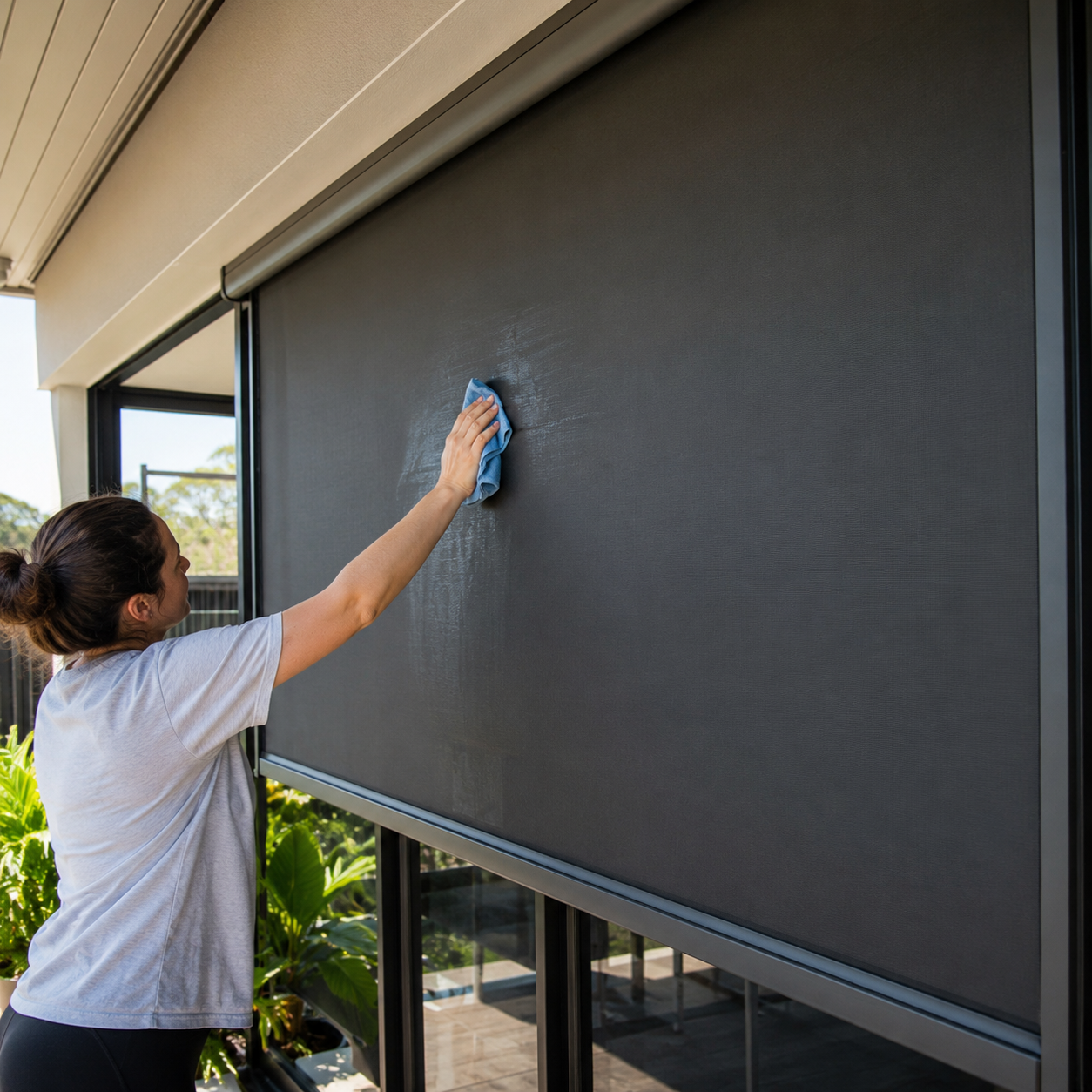
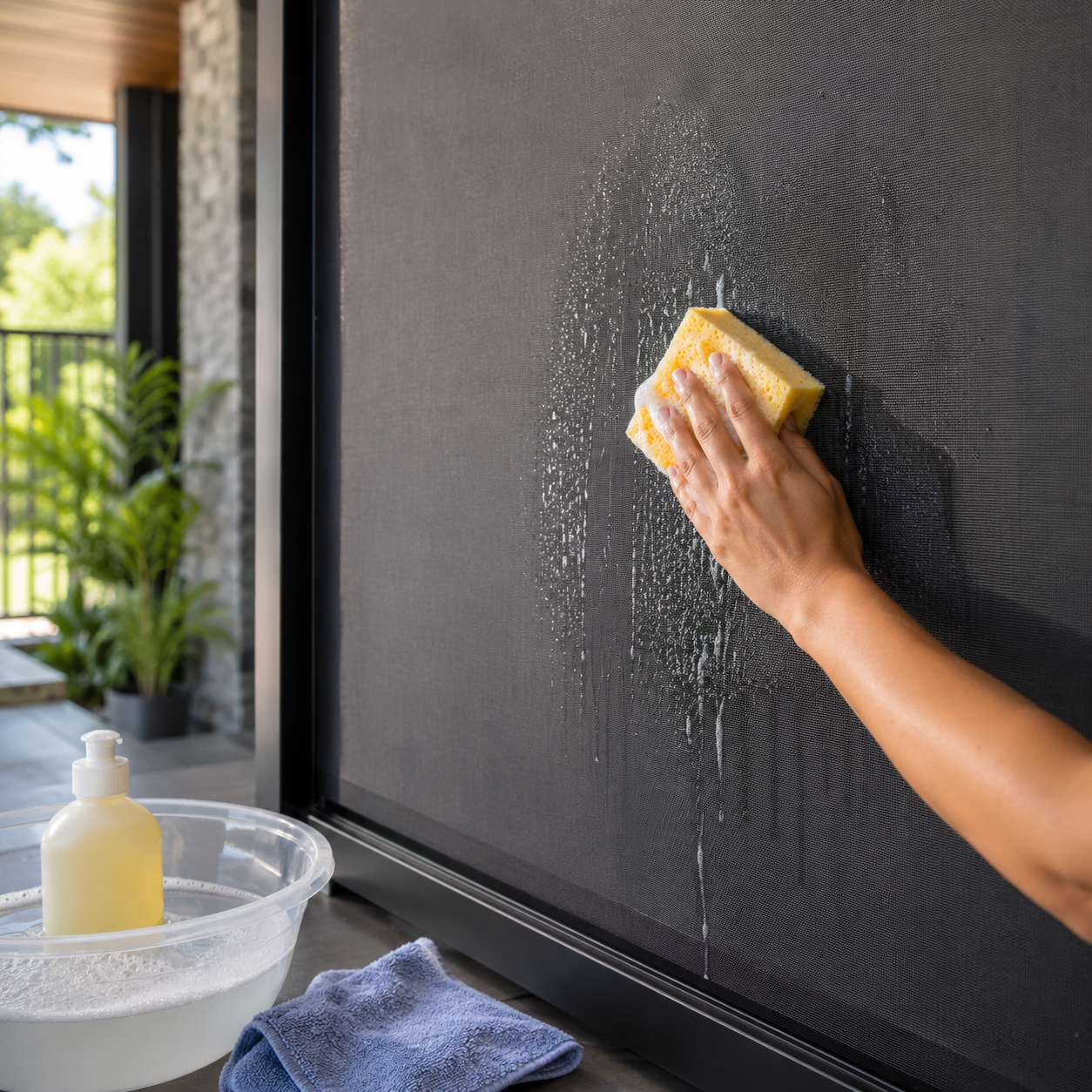
Mix a small amount of mild dishwashing liquid with warm water. Using a soft sponge or cloth, gently wipe the fabric from top to bottom. Pay attention to dirty areas, but avoid heavy scrubbing. For marks, allow the soapy water to sit for a few minutes before gently wiping again.
4. Rinse Thoroughly
Rinse the blind with clean water using a garden hose on low pressure. Make sure all soap residue is removed, as leftover soap can attract dirt or leave marks on the fabric. Do not use high pressure or spray water directly into motorised components, headboxes, brackets, cable entry points or electrical areas.
5. Clean Tracks and Hardware
Wipe down side channels, tracks, bottom rails, brackets and other visible hardware with a damp cloth. Remove any dirt, sand, insects or debris that may affect the smooth operation of the blind.
6. Allow the Blind to Dry Fully
Leave the blind down until it is completely dry. Do not roll the blind away while wet unless necessary. Rolling fabric away wet for long periods may encourage mould, mildew or staining.
Important: Motorised Blinds
If your outdoor blind is motorised, do not hose the motor end directly. Water should not be sprayed directly into or around the motor, cable entry point, brackets or headbox area, as this may result in water ingress and possible motor failure.
Damage caused by direct hosing, water ingress or incorrect cleaning around the motor area may not be covered under warranty.

Removing Mould or Mildew
- If mould appears, clean it as soon as possible.
- Use mild soapy water and a soft cloth or sponge. Gently clean the affected area and rinse thoroughly.
- Do not use bleach or strong mould-removal chemicals unless they are confirmed safe for the blind fabric.
- If mould has been left for a long time, staining may not be completely removable.
Important Care Tips
- Always retract blinds during severe wind, storms or extreme weather.
- Do not leave blinds rolled up wet for long periods.
- Keep tracks free from dirt, sand and insects.
- Avoid rubbing the fabric hard, as this may damage the coating.
- Clean bird droppings, tree sap and salt build-up as soon as possible.
- Never use a pressure washer on outdoor fabric blinds.
- Do not hose the motor end directly on motorised blinds.
- Check that the blind is dry before rolling it away where possible.

Coastal and High-Salt Areas
If your blinds are installed near the ocean, canals or saltwater areas, they should be rinsed more regularly with fresh water. Salt build-up can damage fabric, components and powder-coated finishes over time. A quick rinse every few weeks can help reduce salt and grime build-up.

General Maintenance
Important Care Tips
Regularly inspect your blinds for:
- Dirt or debris in tracks
- Loose screws or fixings
- Fabric marks or staining Insects or nests
- Smooth operation when raising and lowering
If the blind becomes difficult to operate, stop using it and contact Qld Shade for advice.
Final Note
Outdoor blinds are designed to handle normal outdoor conditions, but they still require care and maintenance. Keeping your blinds clean and dry where possible will help them look better, last longer and operate more smoothly.
For any questions or concerns regarding cleaning, care or operation of your outdoor blinds, please contact Qld Shade for advice before using chemicals, pressure cleaning equipment or any other cleaning method that may damage the product.